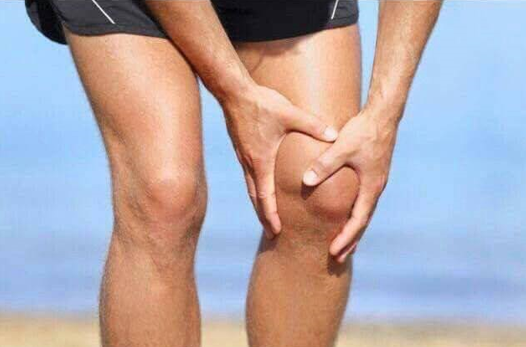
Knee Cracking

Knee crepitations can cause a lot of worry and may eventually lead to movement avoiding behavior as negative beliefs are associated with crepitations. This can put people in a downward spiral of abnormal movement fueled by negative emotions. It is time for some reassurance!
No research to date has definitively linked crepitation noise and active pathology. 99% of a cohort of subjects with no pain had knee joint crepitation.
If pain occurs with joint crepitations you should contact a health professional for assessment and advice.
Crepitations may result from tendons snapping over bony prominence’s on the surface of the joint for example in tendonitis. Inside the joint the displacement of the joint surfaces can create a vacuum which leads to the creation of gas bubbles within the joint. Collapse of these bubbles leads to the characteristic pop. Interestingly habitual knuckle cracking over years has not revealed osteoarthritis on examination.
The clunk on knee movement can be explained by the slip stick phenomenon. The movement of the knee cap and thigh bone are jerking and produce signals on vibration testing. These vibrations are reduced in osteoarthritis and almost lost in advanced osteoarthritis and most likely due to loss of joint lubrication. Therefore joints which are revealed with most degenerative change are least likely to produce crepitus. What about the fine grating that is also normal as fluid flows through slightly rough surface behind the kneecap patella.
Did you know that the antelope uses knee crepitus to display dominance, so maybe we should see crepitus not as a sign of pathology but as a positive sign because our joints are mobile and well lubricated. Keep positive! You no longer need to see knee crepitus as a worrying sign just keep moving!!
“Forty is the old age of youth, fifty the youth of old age” – Victor Hugo